carl
carl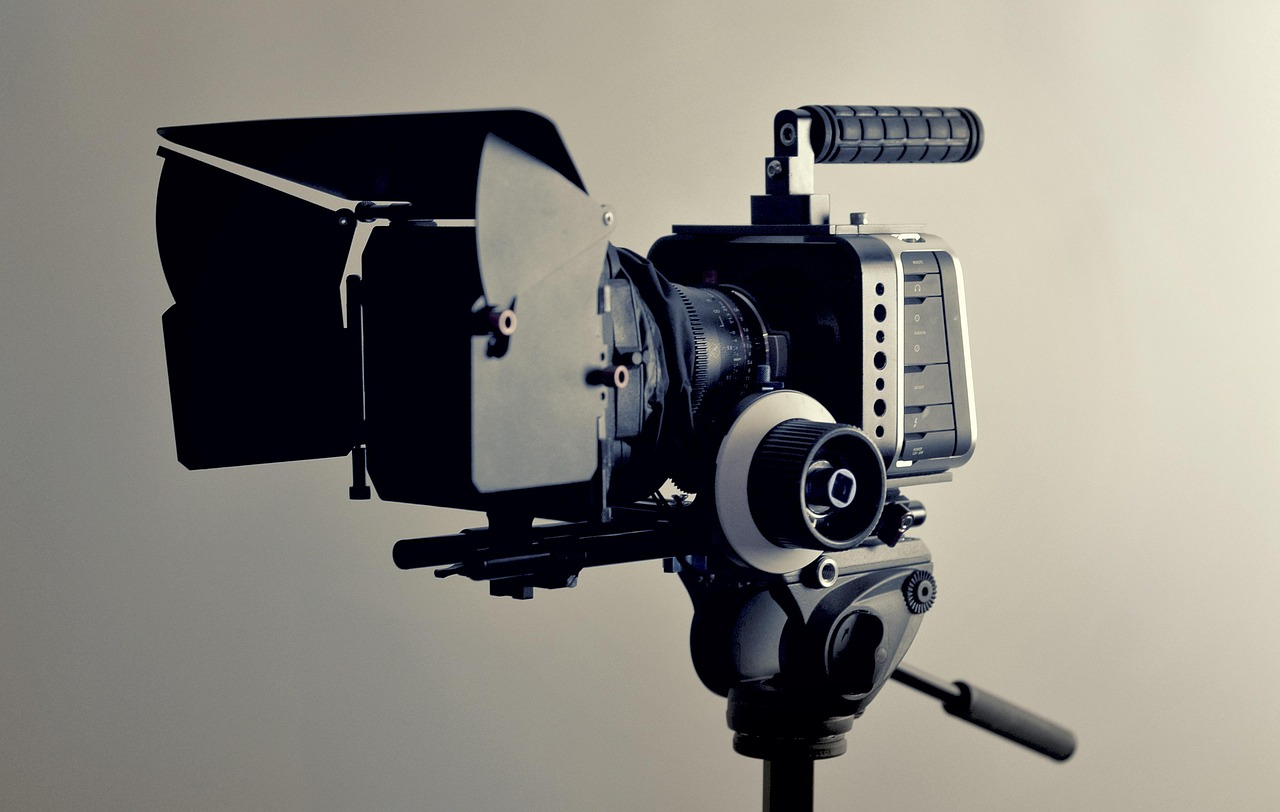
London brands are redefining what visual storytelling means. It’s no longer enough to create good-looking ads or polished content. Audiences want stories that move, respond, and feel authentic. As events experts, we’ve seen this evolution up close.
More companies are investing in better production, creative technology, and smarter storytelling methods to keep audiences engaged. Let’s explore six key ways London brands are upping their game and what you can learn from them.
1. Hybrid Production and Virtual Backlots
One of the most exciting developments is hybrid production, which blends real and virtual environments. Instead of flying teams across the world, London brands are using LED volumes, CGI, and real-time graphics to recreate entire worlds indoors. It saves time, cuts logistics costs, and gives creators far more control over lighting and weather.
When it comes to film equipment rental, more companies are pairing traditional gear with digital assets. You can rent cameras, lenses, and lighting in Soho or Shepherd’s Bush, while projecting virtual backdrops that make it look like you’re shooting in the Alps or a city street at night. This mix of physical and virtual gives brands more flexibility to experiment creatively without pushing budgets to the limit.
2. AI-Driven Previsualisation and Asset Generation
Before filming even starts, brands are using AI to refine stories and plan visuals. These tools help teams create concept art, shot lists, and even full storyboards from a simple script or scene description. What used to take days now takes minutes, allowing faster creative decisions and fewer production delays.
London’s creative studios are combining AI with traditional design to test multiple visual directions before committing to one. AI-generated backgrounds, style frames, or animation previews make preproduction smoother and more affordable. For brands, that means better planning, fewer revisions, and more energy left for the creative work that matters most.
3. Immersive AR, Mixed Media, and Interactive Experiences
Brands across London are moving beyond static visuals and building interactive campaigns. From augmented reality fashion shows to projection-mapped product launches, these experiences pull audiences into the story instead of asking them to watch from a distance.
Augmented reality filters, mobile visualisers, and immersive displays let brands connect with customers in more personal ways. Visuals that respond to movement or location data create a stronger emotional impact and make people feel part of the brand narrative.
In a city known for its creative innovation, London companies are leading the charge on mixed-media storytelling that feels alive and responsive.
4. Character-Driven Animation and Branded Storytelling
Animation has become one of London’s most effective storytelling tools. Instead of relying on stock motion graphics, brands are developing unique animated worlds and character-driven stories. These projects build identity and emotional depth while keeping production flexible and scalable.
Animation studios across London are blending 2D, 3D, and motion design techniques to help brands express values, humour, and tone in fresh ways. Fashion and entertainment brands, for example, are using animated short films or stylised CGI to present collections and campaigns. Character-led stories build stronger connections and give brands a creative voice that feels human and memorable.
5. Dynamic Storytelling with Real-Time Data
Visual storytelling is becoming more adaptive. London brands are experimenting with visuals that change in real time based on data, audience behaviour, or environmental cues. Imagine a digital ad that shifts its tone depending on the weather or a campaign video that personalises scenes to match a viewer’s preferences.
This approach brings storytelling closer to the individual. It turns passive content into something responsive and memorable. By blending analytics with creativity, brands can create dynamic visuals that stay relevant and engaging no matter where or how they’re viewed.
6. Cross-Platform Visual Continuity
The strongest London brands think of their visuals as a system rather than a series of campaigns. They maintain consistency in tone, colour, pacing, and motion across every platform. Whether it’s a short clip on social media, a large event installation, or an online film, everything feels connected and intentional.
Teams now create visual style guides not just for logos and colours, but for transitions, animation movement, and sound. This creates a sense of unity across the brand’s digital and physical touchpoints. When customers see the same visual rhythm everywhere, it strengthens recognition and trust.
Conclusion
Visual storytelling has entered a new era, and London brands are setting the pace. Through hybrid production, AI-powered planning, immersive experiences, animation, real-time data, and consistent visual systems, they’re turning stories into experiences that people want to share.
For any brand owner, the lesson is simple: you don’t need a blockbuster budget to start. Pick one of these methods and explore how it fits your brand story. Even small shifts in production approach or creative planning can transform the way people see and remember your message.