carl
carl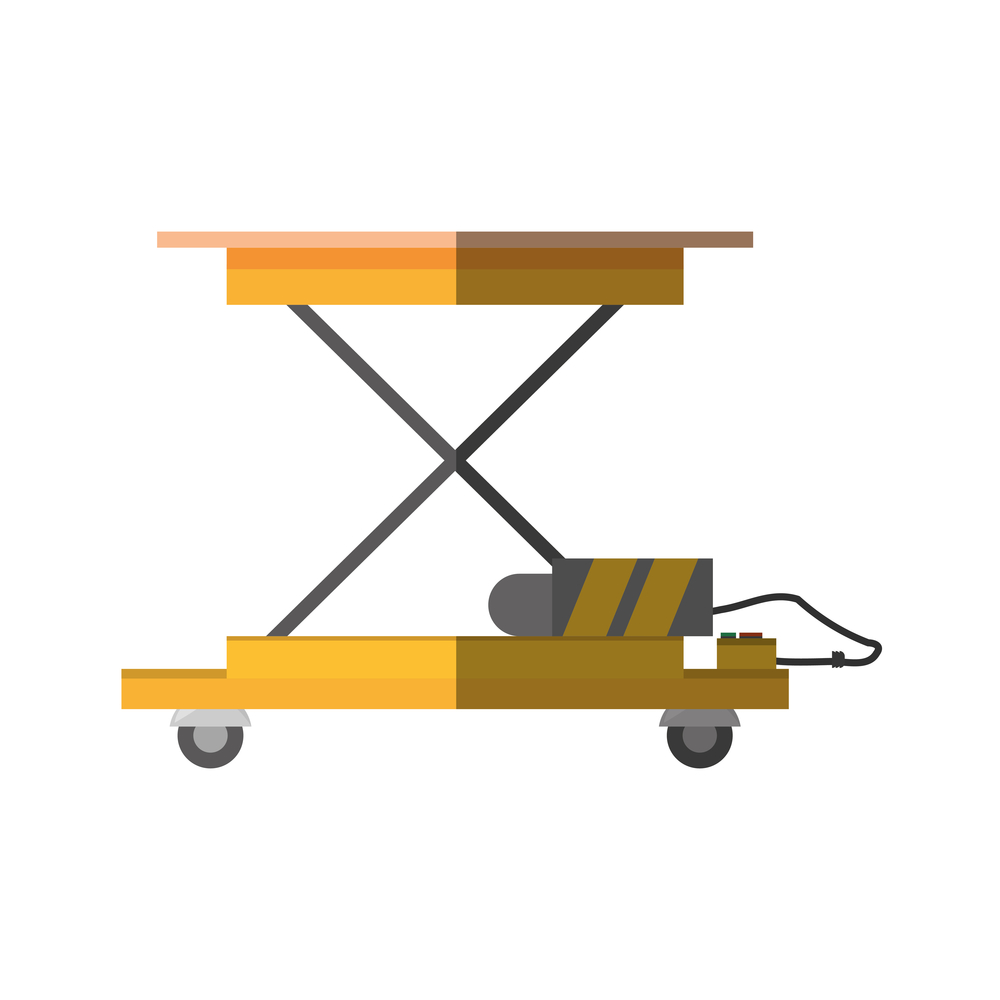
In today’s industrial landscape, workplace safety is no longer viewed as a standalone initiative—it is a core component of business performance, continuity, and compliance. As organisations across the UK face increasing pressure to reduce workplace injuries and demonstrate robust safety measures, lifting tables have emerged as a practical and effective tool for addressing some of the most common risk factors in manual handling.
How ergonomic lifting solutions reduce injuries, increase compliance, and strengthen operational resilience
Manual handling injuries remain one of the leading causes of lost workdays, compensation claims, and long-term musculoskeletal disorders in industrial sectors. From warehouses and distribution centres to manufacturing lines and assembly environments, workers regularly perform tasks that involve bending, lifting, twisting, and handling heavy or awkward loads. Lifting tables directly address these risks by positioning materials at safe working heights, reducing the physical strain placed on employees and minimising injury rates.
In material handling environments, a lifting table provides a controlled and stable platform that reduces the need for workers to perform high-risk movements. For example, when loading or unloading pallets, a lifting table keeps goods at an ergonomic height throughout the task, preventing repetitive bending or reaching. In sectors like automotive, aerospace, or engineering, where components can be both heavy and delicate, lifting tables support precise, safe handling that protects both operators and products.
Beyond reducing physical strain, lifting tables also play a critical role in supporting compliance with workplace safety regulations. UK businesses must align with the Manual Handling Operations Regulations (MHOR) and demonstrate that they have taken steps to mitigate avoidable risk. By incorporating lifting tables into daily operations, companies can show they have implemented engineering controls—considered one of the most effective measures for reducing manual handling hazards. This not only helps avoid penalties but also strengthens an organisation’s overall health and safety posture.
Lifting tables contributes to a safety-first culture by empowering teams to work more comfortably and confidently. When workers feel their wellbeing is prioritized, engagement and productivity naturally rise. Fewer injuries mean fewer disruptions, lower absenteeism, and reduced reliance on temporary labor to fill gaps. Over time, this contributes to a healthier, more stable workforce and improved operational resilience.
From a financial perspective, the return on investment in lifting tables extends far beyond injury prevention. Reducing manual handling risks leads to fewer claims, lower insurance premiums, and decreased downtime caused by accidents or physical strain. Businesses that invest in ergonomic lifting equipment often find that their production lines move more smoothly, employees complete tasks more efficiently, and quality standards improve due to better handling accuracy.
Modern lifting tables, including those offered by providers like TRANSLYFT, come in a wide range of configurations that support specific safety needs—whether lifting heavy loads, positioning goods for inspection, or integrating with conveyor systems. While the equipment itself provides clear benefits, its strategic use is what ultimately transforms workplace safety.
As businesses continue prioritising employee wellbeing and regulatory compliance, lifting tables offer a tangible, immediate solution. In a climate where safety standards are rising and expectations for responsible operations are higher than ever, lifting tables have become an indispensable part of a modern, proactive safety strategy.